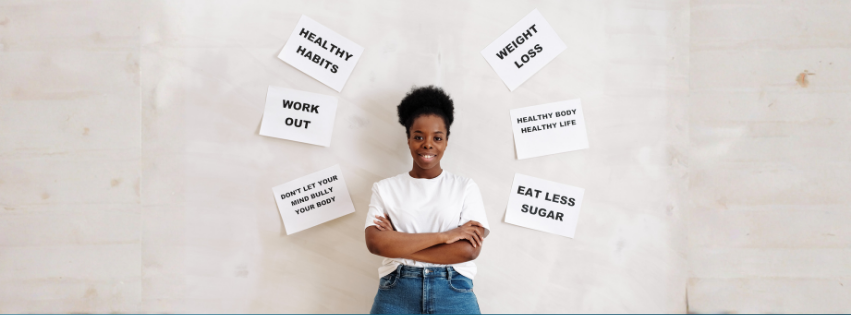
In Chapter 10 of Atomic Habits, James Clear explains that bad habits are often misunderstood. Most habits are not driven by the behavior itself, but by a deeper need or desire underneath it. Whether it’s checking social media, procrastinating on a task, or avoiding difficult conversations, our habits are usually attempts to satisfy a craving, solve a problem, or change how we feel. The key to breaking unwanted habits is learning to identify the underlying motivation and reframe how we view the behavior.
Understanding the Real Cause of Habits
Clear argues that every habit has two levels: the surface behavior and the deeper motive behind it. People don’t crave scrolling through social media because they love the app itself; they may crave connection, validation, or a distraction from stress. Similarly, workplace habits such as procrastination, multitasking, or avoiding feedback often stem from a desire to reduce uncertainty, avoid discomfort, or protect confidence.
By understanding the true motivation behind a habit, individuals can begin replacing ineffective behaviors with healthier alternatives that achieve the same goal.
The Power of Mindset
One of the most practical lessons in this chapter is that habits become attractive or unattractive based on the meaning we attach to them. Clear shares examples of people who successfully changed behaviors by reframing their perspective. Instead of focusing on what they were giving up, they focused on what they were gaining.
This concept applies directly to the workplace. Employees often view challenging tasks as obligations: “I have to make this call,” or “I have to complete this report.” A simple shift to “I get to develop a client relationship” or “I get to contribute to a bigger goal” can create a more positive association with the work. While the responsibilities remain the same, the mindset changes the experience.
Building Better Associations
Clear explains that our brains are constantly creating associations between actions and outcomes. When we consistently connect a behavior with a positive feeling, that habit becomes more attractive. This principle can be used to make productive habits easier to maintain.
In professional settings, this might mean celebrating small wins, recognizing progress, or creating routines that help employees enter a focused and productive mindset. Positive reinforcement helps turn desired behaviors into habits that employees are more likely to repeat.
Why the Right Environment Matters
While personal mindset is important, environment also plays a role in shaping habits. When employees are placed in positions that align with their strengths, goals, and motivations, positive habits are more likely to develop naturally. The right environment can encourage growth, accountability, and consistent performance, while the wrong environment can reinforce unproductive behaviors.
Where Hire Up Comes In
At Hire Up, we understand that long-term success depends on more than qualifications alone. Finding the right fit means understanding what motivates people, how they work best, and what environment will support their growth. By connecting candidates with opportunities that align with their strengths and goals, we help create the conditions where positive habits can thrive and lasting success can follow.
As Chapter 10 reminds us, lasting change doesn’t happen by simply eliminating bad habits. It happens by understanding the needs behind them and creating better, more rewarding ways to meet those needs.